
Thinking about getting into school photography? You might already be halfway there
A lot of family photographers look at school photography and assume it's a completely different world.
Hundreds of children. Tight schedules. Lots of logistics.
While some aspects are very different, the truth is that many family photographers already have the most important skill schools need: the ability to connect with children.
The photography isn't usually the hard part. The process is.
It's not about getting children to pose perfectly
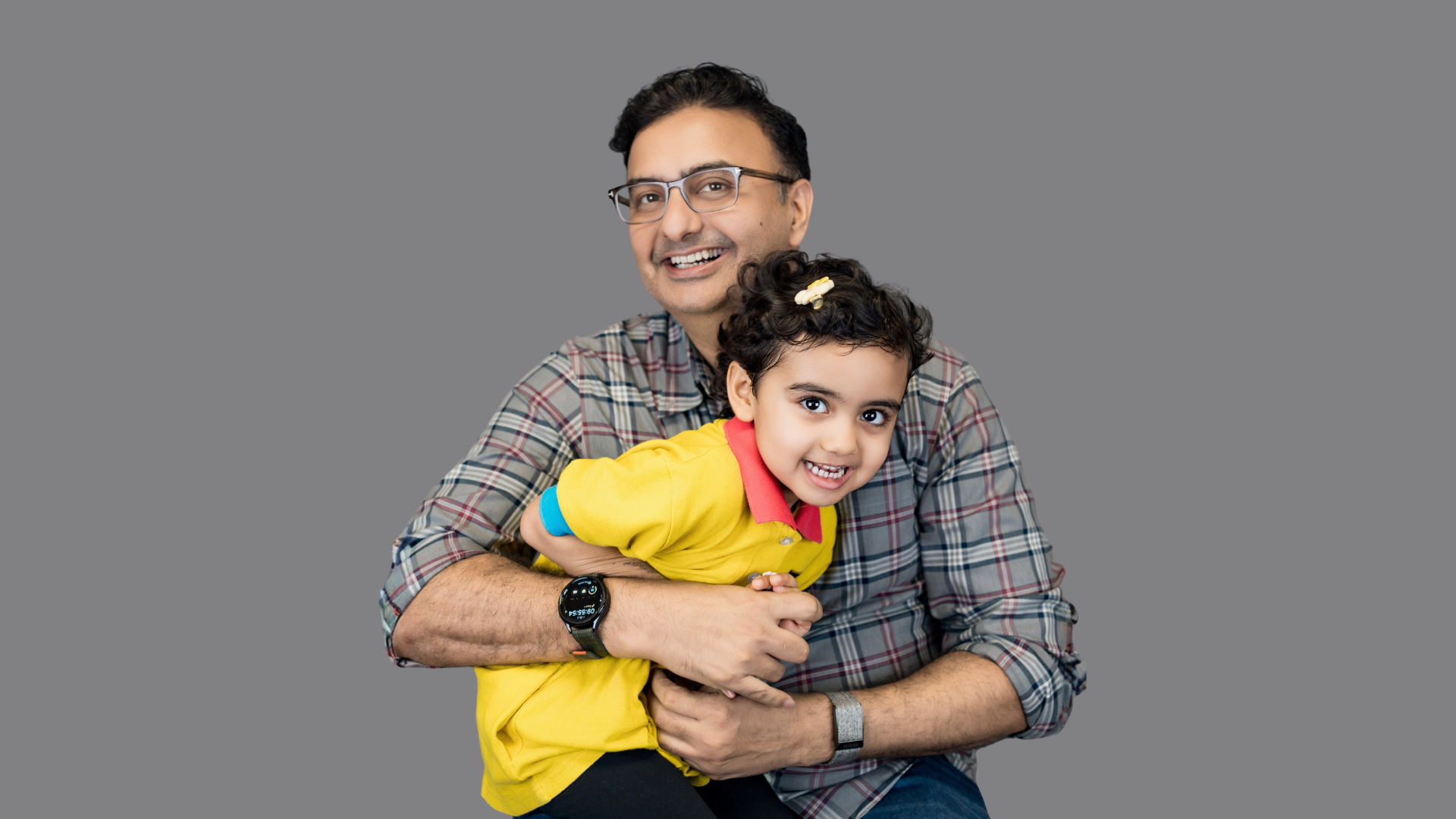
One of the biggest misconceptions about school photography is that it's all about getting children to sit still and smile on command. In reality, the best school portraits happen the same way the best family portraits do – through connection.
Children respond far better to a conversation than a list of instructions. If you've ever photographed families, you'll already know that asking a child about their favourite animal often gets a much better expression than telling them where to put their chin.
You're not looking for a perfect smile, you're looking for a genuine one. A quick joke, a silly question, or a moment of curiosity can completely change a portrait.
Keep your setup simple
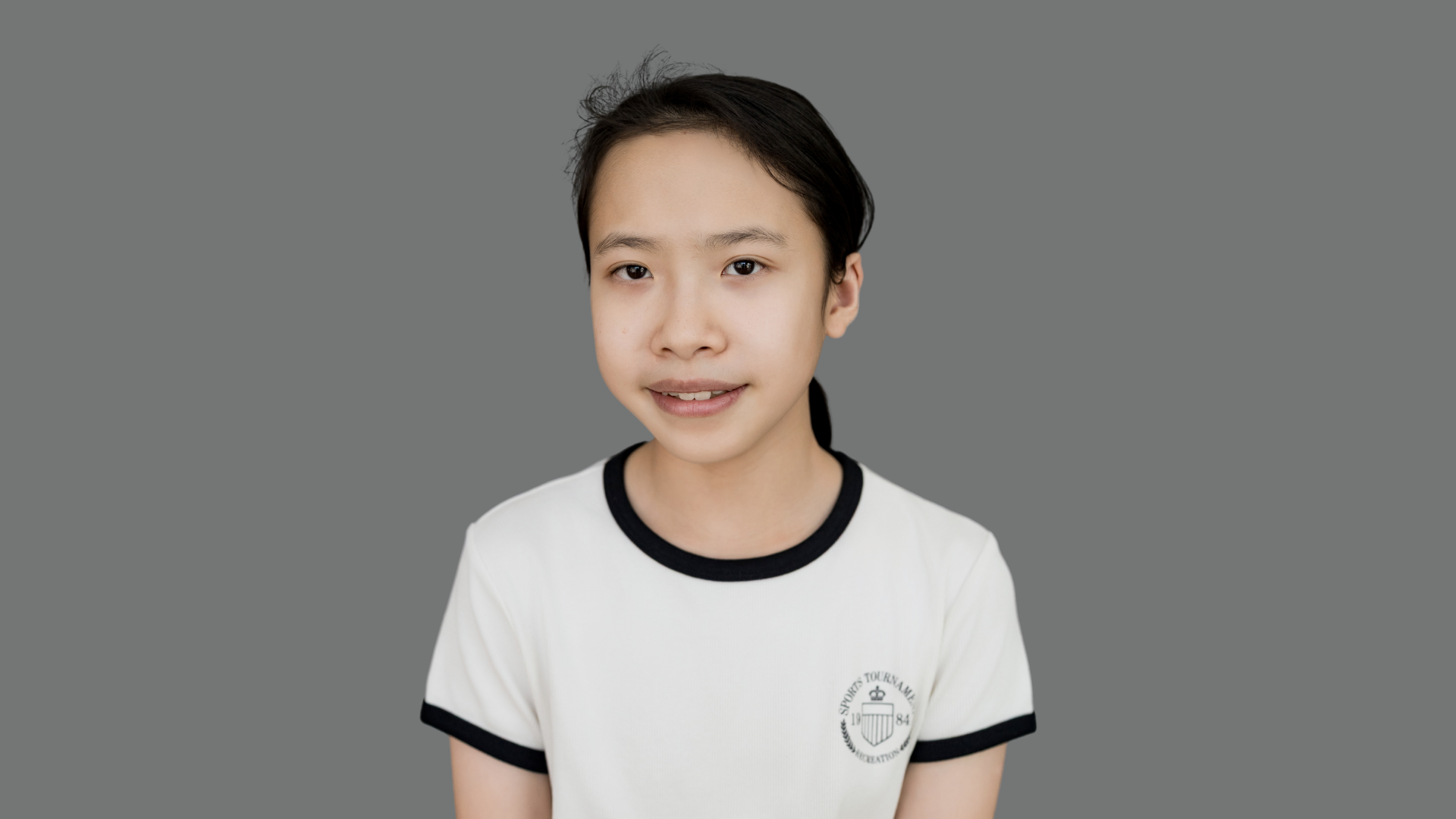
When photographers first move into school photography, they often think they need a complicated setup. You really don't.
The smoother your setup, the smoother your day. One background, lighting setup, and workflow is usually enough. Every minute you spend adjusting equipment is a minute you're not spending connecting with the child in front of you (and that's where the best expressions come from).
Schools care about more than the photos
This is the part that surprises a lot of photographers. Schools obviously want lovely portraits, but they also want someone who is organised, reliable, and easy to work with.
Ask yourself:
Can you keep classes moving efficiently?
Can you keep images organised?
Can you deliver on time?
Can parents order easily?
The operational side of school photography is often just as important as the photography itself. A beautiful portfolio helps get your foot in the door, but a great process is what keeps schools coming back.
Start smaller than you think
You don't need to land a huge school straight away. In fact, it's usually better if you don't.
Smaller preschools, nursery schools, community groups, and sports clubs are fantastic places to learn what works and refine your workflow. They give you the chance to figure out the logistics before you're managing hundreds of children in a single day.
Show schools the work they want to see
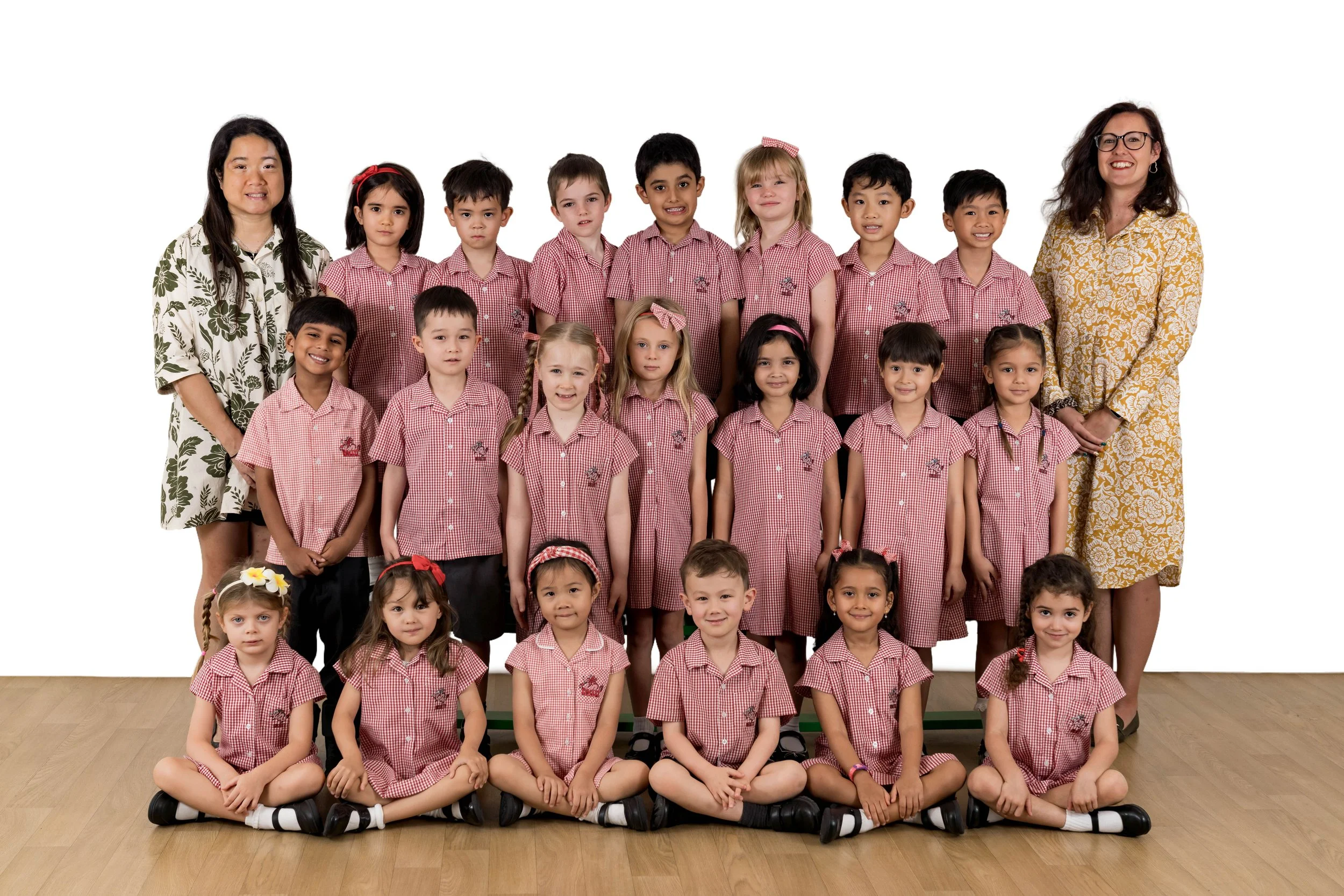
When building a portfolio, think like a school. They aren't looking for dramatic lighting or creative experiments. They want to know that you can consistently create beautiful portraits of lots of different children.
Show:
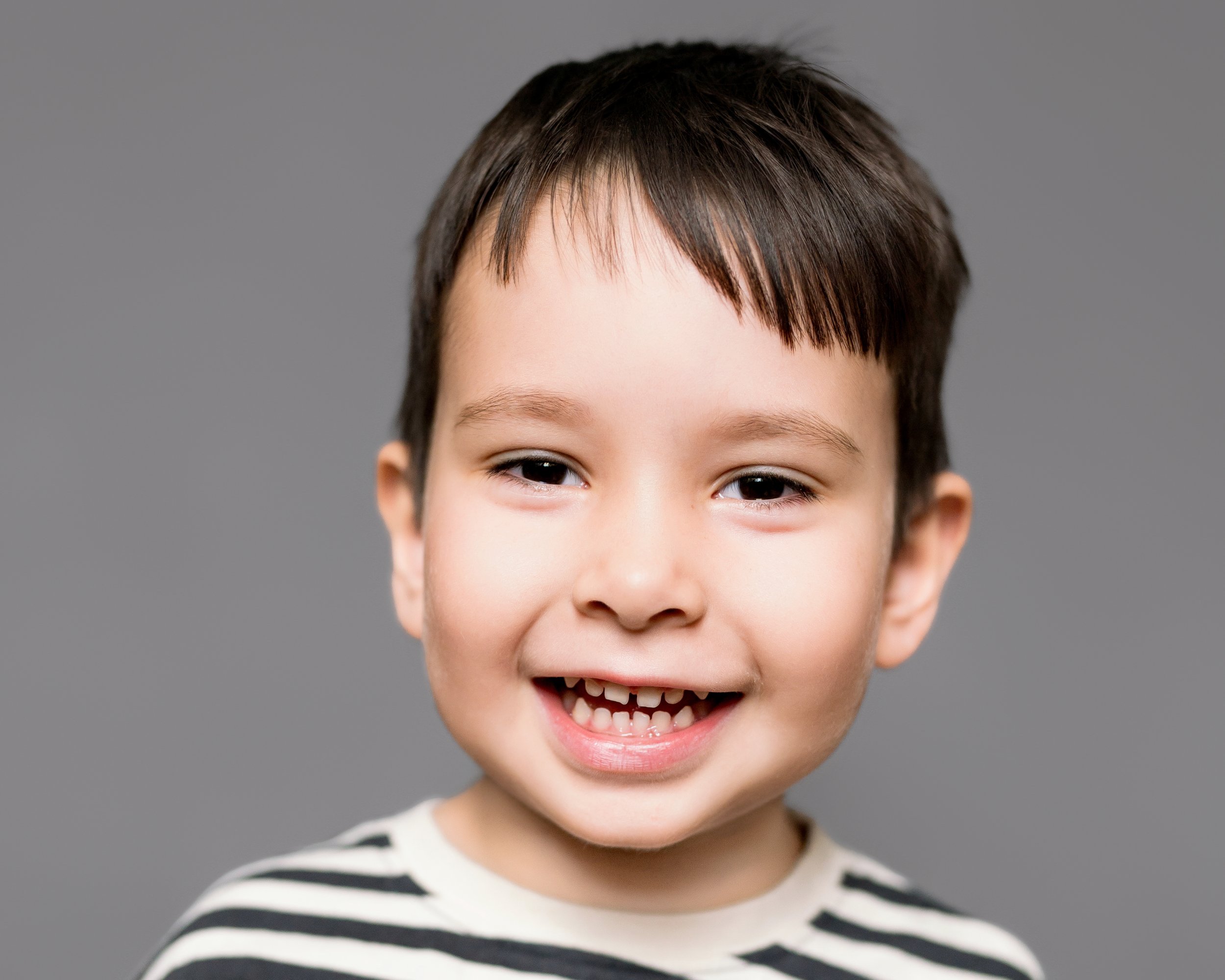
Individual portraits
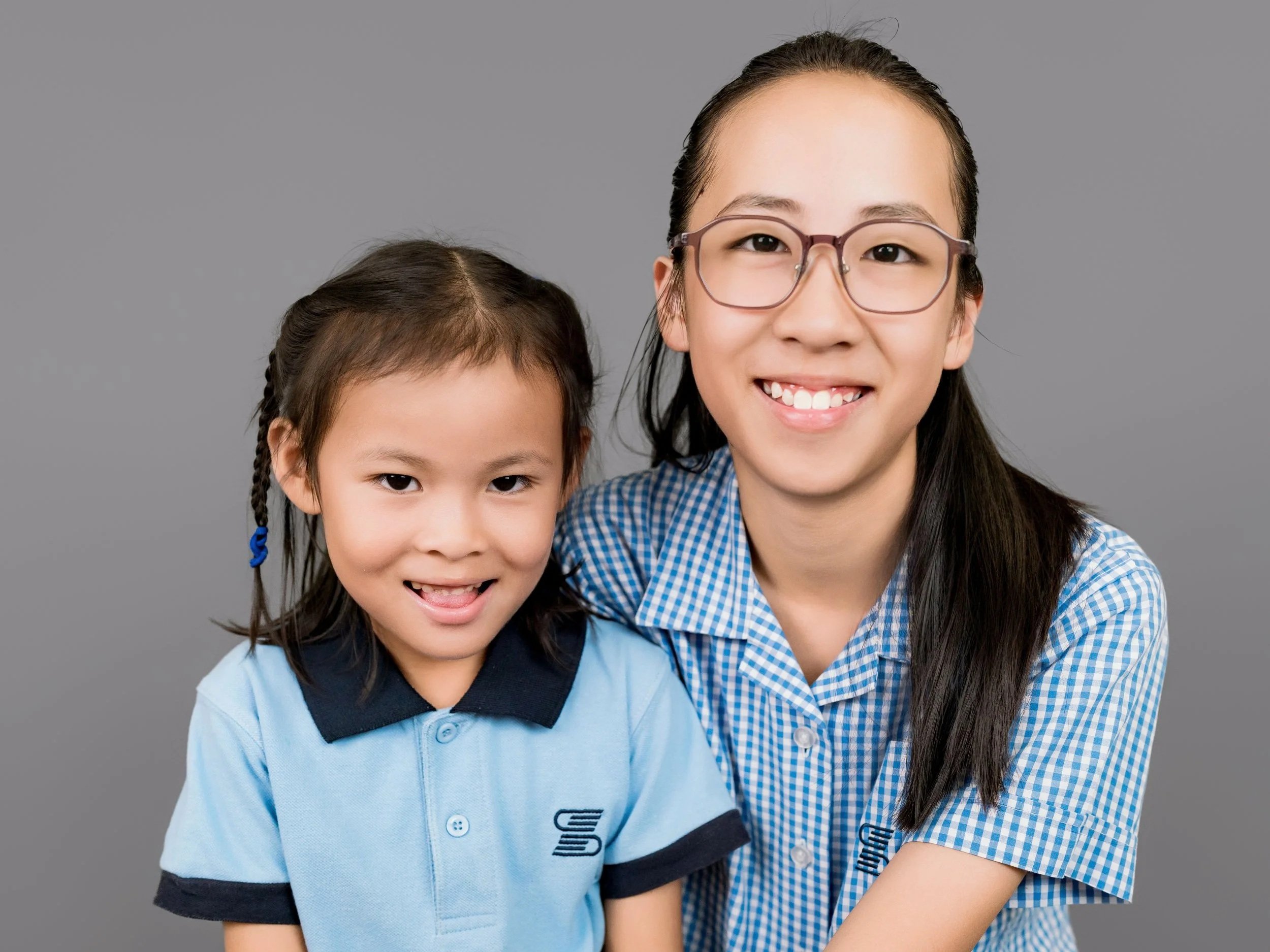
Sibling portraits
Staff portraits
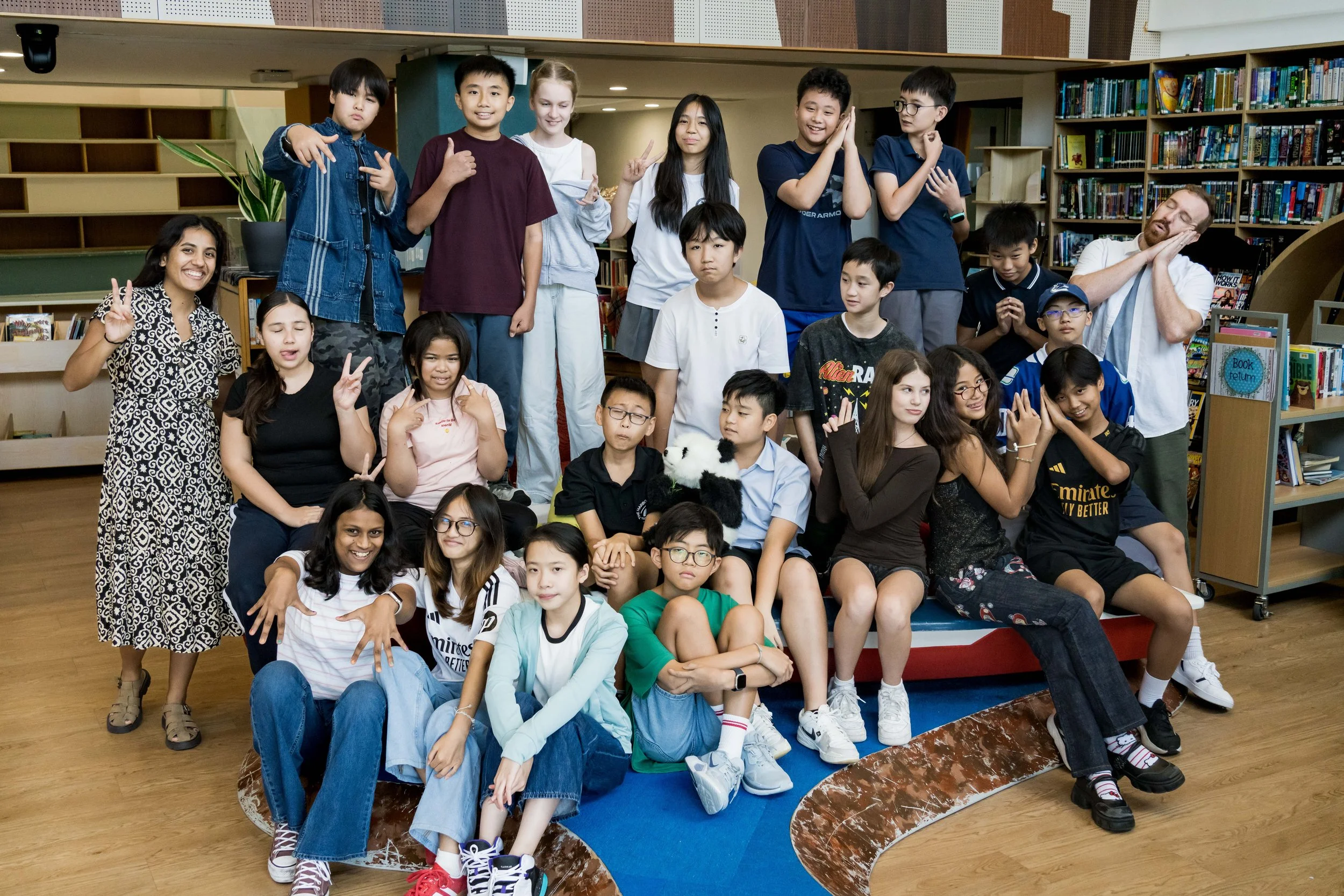
Class groups
A range of ages and personalities
Most importantly, show children who look relaxed and happy to be there.
Don't sell photography. Sell the outcome.
Many photographers approach schools by saying they offer school photography. The problem is that every school photographer says that.
What parents really want are photographs that capture their child's personality, and what schools want are photos that families will actually buy and treasure.
Instead of talking about photography, talk about creating natural, personality-filled portraits that families genuinely want to keep.
The skills are probably already in your toolkit
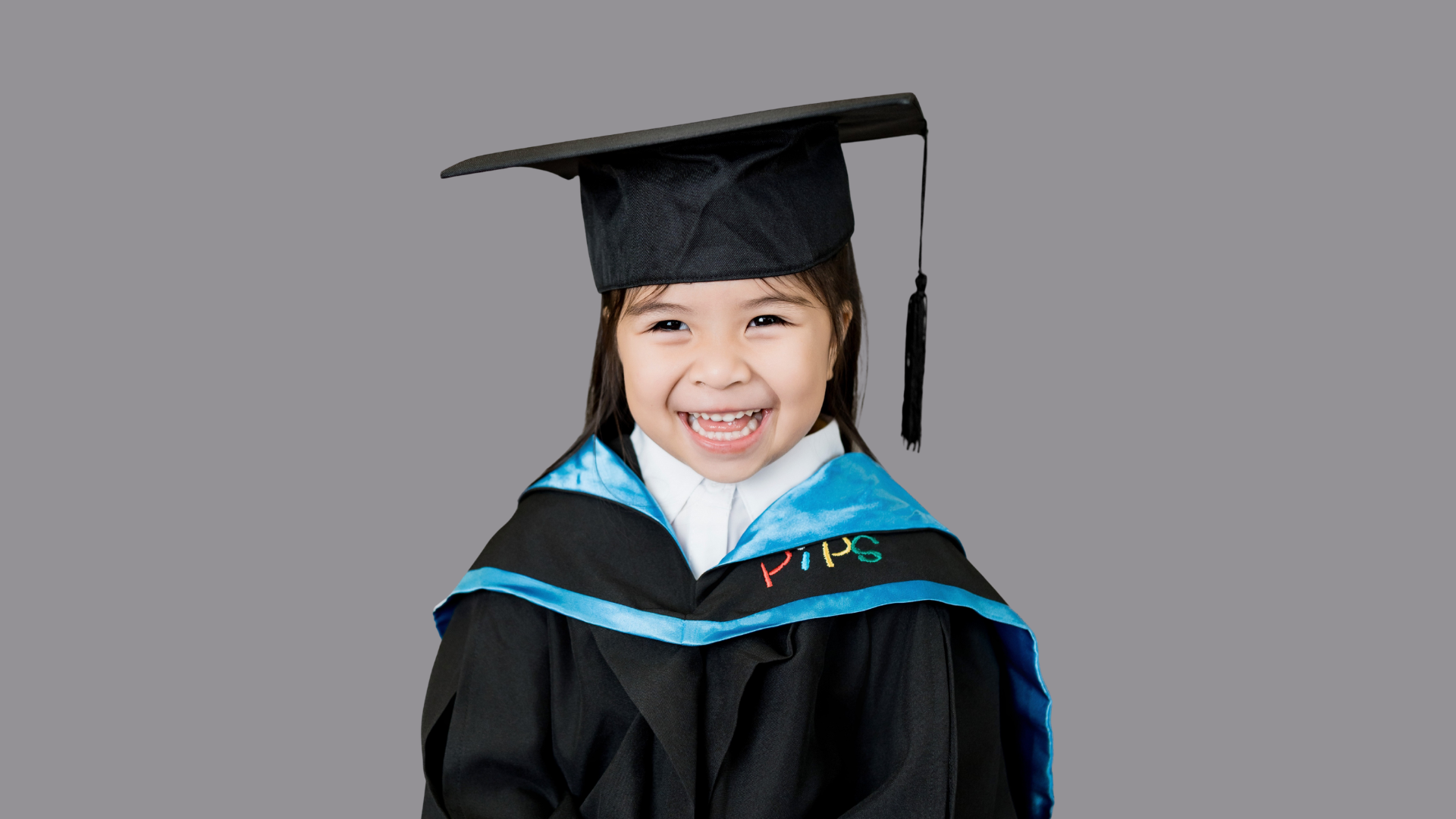
Family photographers often assume school photography is all about volume. But when you strip everything back, it's still about children. It's still about building trust quickly, and it's still about capturing genuine expressions.
If you're already doing that during family sessions, you're probably much closer to school photography than you realise.
The challenge isn't learning how to photograph children; it's learning how to do it consistently, efficiently, and at scale.